
Gentle Botanical Oils for Sensitive Skin: A Guide

Table of Contents
- Why Botanical Oils Work for Sensitive Skin
- How to Patch Test Skincare Oils Safely
- Plant-Based Oils for Compromised Skin Barrier Repair
- Best Botanical Salve for Eczema and Reactive Skin
- How to Apply Botanical Oils Correctly
- Oils to Avoid When Skin Is Reactive
- Frequently Asked Questions
Last Updated: September 21, 2026
Why Botanical Oils Work for Sensitive Skin
Botanical oils sensitive skin types need address a fundamental problem: compromised skin barriers require lipid replenishment, not harsh actives. When skin is stressed, whether from medical treatment, environmental damage, or chronic conditions like eczema, the protective lipid barrier becomes disrupted, leading to transepidermal water loss and increased irritation.
Botanical oils work because they contain essential fatty acids, antioxidants, and natural emollients that mirror the skin's own lipid structure. Unlike synthetic moisturizers or products loaded with fragrance and preservatives, plant-based formulations can soothe inflammation without triggering reactive responses. Research shows that oils rich in linoleic acid and oleic acid help restore skin-compatible lipids and support the skin microbiome.
The key distinction is that not all botanical oils are equal. Cold-pressed, non-comedogenic oils deliver maximum benefit without clogging pores or causing breakouts. Epifany True formulates with this principle in mind, using calendula and comfrey, two botanicals with centuries of traditional use for skin recovery, combined with nourishing bases like organic sunflower seed oil.

For people navigating treatment-related skin sensitivity, everyday irritation, or eczema-prone areas, botanical oils sensitive skin formulations offer a calming alternative to standard skincare routines. The anti-inflammatory properties of these oils can reduce redness and irritation while the occlusive nature seals in hydration. Those seeking comprehensive support may also explore Skin Soothing Solutions designed to address reactive skin across multiple product categories.
How to Patch Test Skincare Oils Safely
Patch testing is the critical first step before introducing any new botanical oil, especially when skin is already reactive or compromised. A proper patch test takes 24-48 hours and identifies potential sensitivities before applying a product to your entire face or body (the American Academy of Dermatology).
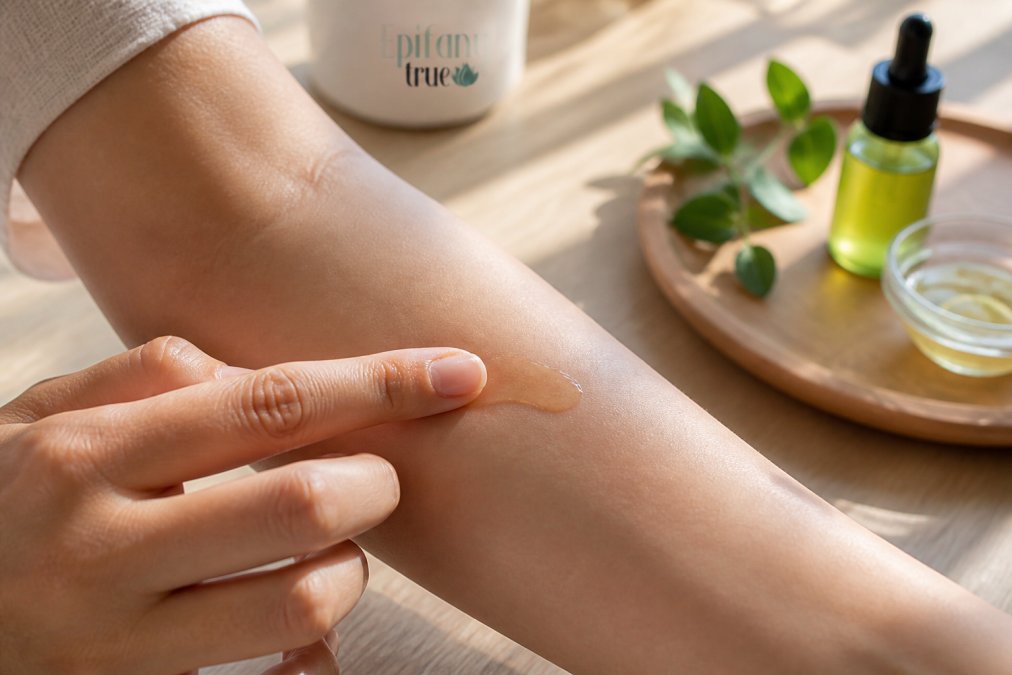
The Standard 48-Hour Patch Test Protocol
Start by applying a small amount, roughly the size of a rice grain, to an inconspicuous area. The inner arm, behind the ear, or the inner elbow are ideal locations because skin there is thin and reactive patterns will show quickly. Apply the oil and leave it undisturbed for 24 hours. Do not wash that area, do not cover it, and do not apply other products to that spot.
Monitor for any signs of reaction: redness, burning, itching, swelling, or hives. Many people with reactive skin report that even "gentle" products can cause a stinging sensation within the first 2-4 hours. If you experience any discomfort within the first few hours, wash the area immediately and discontinue use. A true patch test reaction will appear within 24-48 hours; if your skin remains calm after two days, the oil is likely safe for broader application.
Documentation and Timing for Different Skin States
For those with extreme sensitivity, such as people undergoing chemotherapy, radiation, or recovering from a recent procedure, consider a staged approach. Apply the oil to just a fingertip-sized area and wait 12 hours before expanding to a full patch test. This staged approach gives your skin time to acclimate without overwhelming it. Document the time of application, the exact location, and any sensations you notice at 2 hours, 6 hours, 12 hours, and 24 hours. This record helps identify patterns: some people react immediately (contact irritation), while others develop delayed reactions (allergic sensitization) that peak at 24-48 hours.
If you're patch testing multiple oils, space them at least 2 inches apart on your arm and test only one new product every 48 hours. Testing multiple products simultaneously makes it impossible to identify which one caused a reaction.
Understanding Reaction Types
Not all patch test responses mean you must discard the oil. A mild tingling or slight warmth in the first 5-10 minutes can indicate the oil is penetrating and stimulating circulation, which is normal. True reactions involve persistent redness, swelling that doesn't subside, or itching that worsens over hours. If redness appears but subsides within 30 minutes and doesn't return, the oil may still be usable at a lower frequency or in smaller amounts; if redness persists or worsens, the oil is not appropriate for your skin.
For people with a history of contact dermatitis or severe eczema, consider consulting a dermatologist before patch testing new products. Some individuals benefit from a pre-test with a bland oil (like jojoba) to establish a baseline reaction, making it easier to identify whether a new botanical oil triggers an unusual response.
Plant-Based Oils for Compromised Skin Barrier Repair
The skin barrier, also called the lipid barrier or stratum corneum, acts as your skin's protective shield. When this barrier is compromised, water escapes, irritants penetrate, and inflammation increases. Plant-based oils restore this barrier by replenishing the exact lipids your skin has lost.
Calendula oil is one of the most studied botanicals for barrier repair. It contains carotenoids, flavonoids, and terpenoids that reduce inflammation and promote cell regeneration. Applied regularly, calendula reinforces the epidermis and prevents further moisture loss. The 100% Natural Calendula Oil from Epifany True uses organic cold-pressed sunflower seed oil as its base, ensuring maximum nutrient retention.
Comfrey, traditionally known as "bone knit," accelerates natural recovery through its high allantoin content. Allantoin stimulates cell proliferation and collagen synthesis, both critical for rebuilding a damaged barrier (pubmed.ncbi.nlm.nih.gov). When combined with calendula, as in the Comfrey & Calendula Soothing Herbal Skin Oil, the two botanicals work synergistically to soothe inflammation while actively repairing barrier function.

For facial applications, oils with higher linoleic acid content are preferred because they absorb more readily without leaving a greasy residue. The Organic Moroccan Prickly Pear & Camellia Face Oil Serum contains 150% more vitamin E than argan oil and is specifically formulated for delicate, treatment-stressed skin. Its fast-absorbing profile makes it ideal for people who find standard oils too heavy. Those seeking targeted facial support may explore Sensitive Face Care options designed for reactive complexions.
Plant-based oils also support the skin microbiome, the beneficial bacteria and microorganisms that protect skin health. Unlike antibacterial soaps or harsh cleansers that strip the microbiome, botanical oils create an environment where protective microbes can thrive, further strengthening your skin's natural defenses.
Best Botanical Salve for Eczema and Reactive Skin
A salve differs from an oil in that it combines oil with a solid component, typically beeswax, to create an occlusive barrier. This makes salves ideal for eczema, severe dryness, and areas that need concentrated, long-lasting protection.
The Calendula Soothing Salve from Epifany True uses calendula-infused organic sunflower seed oil blended with organic beeswax and vitamin E. The beeswax creates a moisture-sealing layer that prevents transepidermal water loss while allowing the skin to breathe. Unlike petroleum-based products, beeswax is hypoallergenic and compatible with even the most reactive skin.

For eczema-prone areas, a salve works best because it stays in place longer than an oil. Apply it to damp skin immediately after bathing, when your skin is most receptive to hydration. The occlusive nature means you need less product, a small amount goes a long way, and it won't transfer onto clothing or bedding the way some oils do.
The fragrance-free formulation is critical for reactive skin.
How to Apply Botanical Oils Correctly
Application technique determines whether a botanical oil soothes or irritates. The most common mistake is applying oil to completely dry skin, which reduces absorption and can leave a sticky residue.
Oils to Avoid When Skin Is Reactive
Not all botanical oils are appropriate for sensitive skin. Some are highly comedogenic, meaning they clog pores and trap bacteria. Others contain compounds that irritate reactive skin or interact poorly with other treatments. Understanding the properties that make an oil problematic, rather than memorizing a list, helps you evaluate any new product.
The Comedogenic Scale and Why It Matters
Oleic Acid vs. Linoleic Acid: The Critical Distinction
Essential Oils and Fragrance as Hidden Irritants
Oxidation and Storage: Why Freshness Matters
Frequently Asked Questions
Which botanical oils are safest for highly reactive skin?
Calendula and prickly pear seed oil are among the gentlest botanical oils for reactive skin. Both are non-comedogenic and rich in antioxidants that support the skin barrier without triggering irritation. Comfrey pairs well with calendula for enhanced soothing. Always patch test first, especially if your skin is currently inflamed or tender from medical treatment or eczema flare-ups.
How do I know if a botanical oil will work for my sensitive skin without a bad reaction?
Patch testing is essential before full application. Apply a small amount (rice-grain size) behind your ear or on your inner arm, wait 24-48 hours, and watch for redness, burning, or itching. If no reaction occurs, you can gradually introduce the oil into your routine. Start with two to three times per week, then increase frequency if your skin tolerates it well.
Can botanical oils help repair a compromised skin barrier?
Yes. Plant-based oils rich in essential fatty acids and lipids help restore the skin's protective barrier function. Oils like prickly pear seed oil and camellia oil contain omega fatty acids that reduce transepidermal water loss and strengthen the barrier. When applied to damp skin, they seal in hydration and support the skin's natural recovery, especially after medical treatments or eczema flares.
What's the difference between a botanical oil and a botanical salve for sensitive skin?
Oils absorb quickly and work best on damp skin for maximum hydration lock-in. Salves contain beeswax or plant waxes that create an occlusive barrier, making them ideal for extra-dry patches, rough areas, and overnight treatment. For sensitive skin, salves are gentler on fragile areas because they don't spread as easily and provide sustained moisture without the risk of over-application.
Previous article

Next article


