
Ceramides vs Hyaluronic Acid for Barrier Repair

Last Updated: November 21, 2026
Quick Summary
Ceramides vs hyaluronic acid comes down to two different jobs: ceramides are lipids that hold the skin barrier together, while hyaluronic acid is a humectant that pulls water toward the surface. One repairs the wall, the other fills the well, so compromised skin usually needs both, layered thinnest to thickest.
- A single hyaluronic-acid application improved hydration for up to 24 hours and improved barrier function, per Milani et al.
- Ceramides with longer acyl chains produced better barrier recovery than shorter-chain versions in a 2026 study.
- Apply hyaluronic acid to damp skin, then a ceramide cream, then an occlusive balm last.
- A 2023 systematic review found little evidence ceramide moisturizers outperform other moisturizers for atopic dermatitis.
- If nothing improves in four to six weeks, or you see cracking or weeping, see a clinician.
Table of Contents
- Ceramides vs Hyaluronic Acid: How Their Roles Differ
- Which Ingredient Is Better for Barrier Repair
- How to Repair a Damaged Skin Barrier with Ceramides and Hyaluronic Acid
- How to Layer Hyaluronic Acid and Ceramides in Your Routine
- Ceramides vs Hyaluronic Acid for Oily Skin
- How Long Does It Take for a Damaged Skin Barrier to Improve
- Building a Gentle Barrier-Repair Routine with Epifany True
- Frequently Asked Questions
Ceramides vs Hyaluronic Acid: How Their Roles Differ
The ceramides vs hyaluronic acid question trips up a lot of shoppers, because both ingredients get marketed as "hydration heroes" even though they do opposite jobs. Ceramides are lipids that hold the skin barrier together; hyaluronic acid is a humectant that pulls water toward the surface. One repairs the wall, the other fills the well. At Epifany True, that distinction shapes how we build gentle routines for reactive, treatment-stressed skin.
A single application of a hyaluronic-acid product improved hydration for up to 24 hours and also improved barrier function, according to Milani et al., National Library of Medicine. That finding surprises people who assume hyaluronic acid only adds water. Below, we break down what each ingredient actually does, when to reach for which, and how to layer both without irritating sensitive skin.
What Ceramides Do in the Skin Barrier
Ceramides are fatty molecules that make up a large share of the lipids in the stratum corneum, the skin's outer layer. They act like mortar between skin cells, limiting transepidermal water loss and keeping irritants out. When ceramides run low, skin feels tight, flaky, and easily irritated.
Not all ceramides perform equally. A 2026 study on ceramide acyl chain length reported that ceramides with longer acyl chains produced better barrier recovery than shorter-chain versions. Formulation matters, not just the word on the label.
One honest caveat: a 2023 systematic review in the National Library of Medicine found little evidence that ceramide moisturizers outperform other moisturizers for atopic dermatitis. Ceramides support the barrier, but they are not a proven cure-all.
If your barrier damage shows up as stinging, read more on how to stop skin stinging through barrier repair.
What Hyaluronic Acid Does for Hydration
Hyaluronic acid is a humectant, meaning it attracts and holds water in the skin's upper layers. It draws moisture from the environment and from deeper tissue, plumping surface hydration and easing the look of fine lines. It does not restore lipids and it does not rebuild the barrier on its own.
That is why hyaluronic acid works best on damp skin with an occlusive layer on top. Applied to dry skin in dry air, it can pull moisture the wrong way and leave skin feeling tighter. In practice, this means pairing it with a sealing balm or oil.
Which Ingredient Is Better for Barrier Repair
There is no single winner, because ceramides and hyaluronic acid solve different problems. The useful question is not "which is better" but "what is my skin actually doing right now." Barrier repair means restoring the lipid structure of the stratum corneum; hydration means increasing water content in the upper layers. A product can do one, both, or neither, and the label alone will not tell you.
Start with the symptom, not the ingredient
- Tightness after cleansing, stinging when you apply products, redness that lingers: this points to barrier damage. Ceramides and supporting lipids come first, paired with an occlusive to limit water loss.
- Flaking with a rough, dull surface but no stinging: often dehydration layered on top of a compromised barrier. Use hyaluronic acid on damp skin, then seal with a ceramide cream or balm.
- Shine, enlarged pores, and midday oiliness with tightness underneath: oily-dehydrated skin. A lightweight hyaluronic serum plus a lotion-textured ceramide product usually beats a heavy cream.
- Eczema-prone or recently over-exfoliated skin: treat this as compromised. Pause acids and retinoids, keep the routine to cleanse, hydrate, seal, and give it weeks rather than days.
What the evidence actually supports
Ceramides support the barrier without being a proven cure, and formulation context matters as much as the ingredient name.
| Concern | Ceramides | Hyaluronic Acid |
|---|---|---|
| Primary role | Restore barrier lipids | Attract and hold water |
| Best for | Tightness, flaking, irritation | Dehydrated, dull, plumpness |
| Works on | Stratum corneum structure | Surface hydration |
| Pairs with | Oils, balms, occlusives | Damp skin, sealant on top |
| Evidence note | Chain length affects results | 24-hour hydration shown |
| Timeline | Gradual, over weeks | Immediate, hours |
A short decision framework
- If skin stings or reacts to most products, lead with ceramides and an occlusive; add hyaluronic acid only once stinging settles.
- If skin feels parched but calm, lead with hyaluronic acid on damp skin and seal it.
- If both, layer hyaluronic acid first, then a ceramide cream, then a balm at night.
- If nothing improves in four to six weeks, or if you see cracking, weeping, or spreading rash, stop self-treating and see a clinician.
Watch out: applying hyaluronic acid to dry skin in low humidity can pull moisture from the skin rather than the air, leaving it tighter than before, always apply to damp skin and seal it.
How to Repair a Damaged Skin Barrier with Ceramides and Hyaluronic Acid
Barrier repair is less about finding a hero ingredient and more about removing what broke the barrier, then giving skin the lipids and water it needs to rebuild. The steps below outline a gentle approach to compromised skin, with the formulation details that determine whether a product is likely to help.
Step 1: Stop the damage
Pause exfoliating acids, retinoids, high-percentage vitamin C, and any product that stings. Over-exfoliation and irritant contact are common causes of a disrupted barrier, and no moisturizer will outpace ongoing irritation. Keep cleansing to lukewarm water and a fragrance-free, non-foaming cleanser once or twice a day.
Step 2: Hydrate on damp skin
Apply a hyaluronic-acid serum or gel to skin that is still slightly damp after cleansing. Humectants need water to hold, and damp-skin application is the difference between plump and tight. In dry climates or heated rooms, follow immediately with a sealing layer so the water does not evaporate away.
Step 3: Restore lipids with a ceramide product
Look beyond the word "ceramide" on the label. Formulations vary in ceramide type (ceramides NP, AP, EOP, and others appear in different ratios), concentration, and the supporting lipids, cholesterol and free fatty acids, that work alongside ceramides. A well-built ceramide cream pairs those lipids with occlusive and emollient ingredients; a product with a token amount of ceramide and a lot of fragrance is unlikely to do much. Chain length matters as well: longer acyl chains have shown better barrier recovery in research.
Step 4: Seal with an occlusive at night
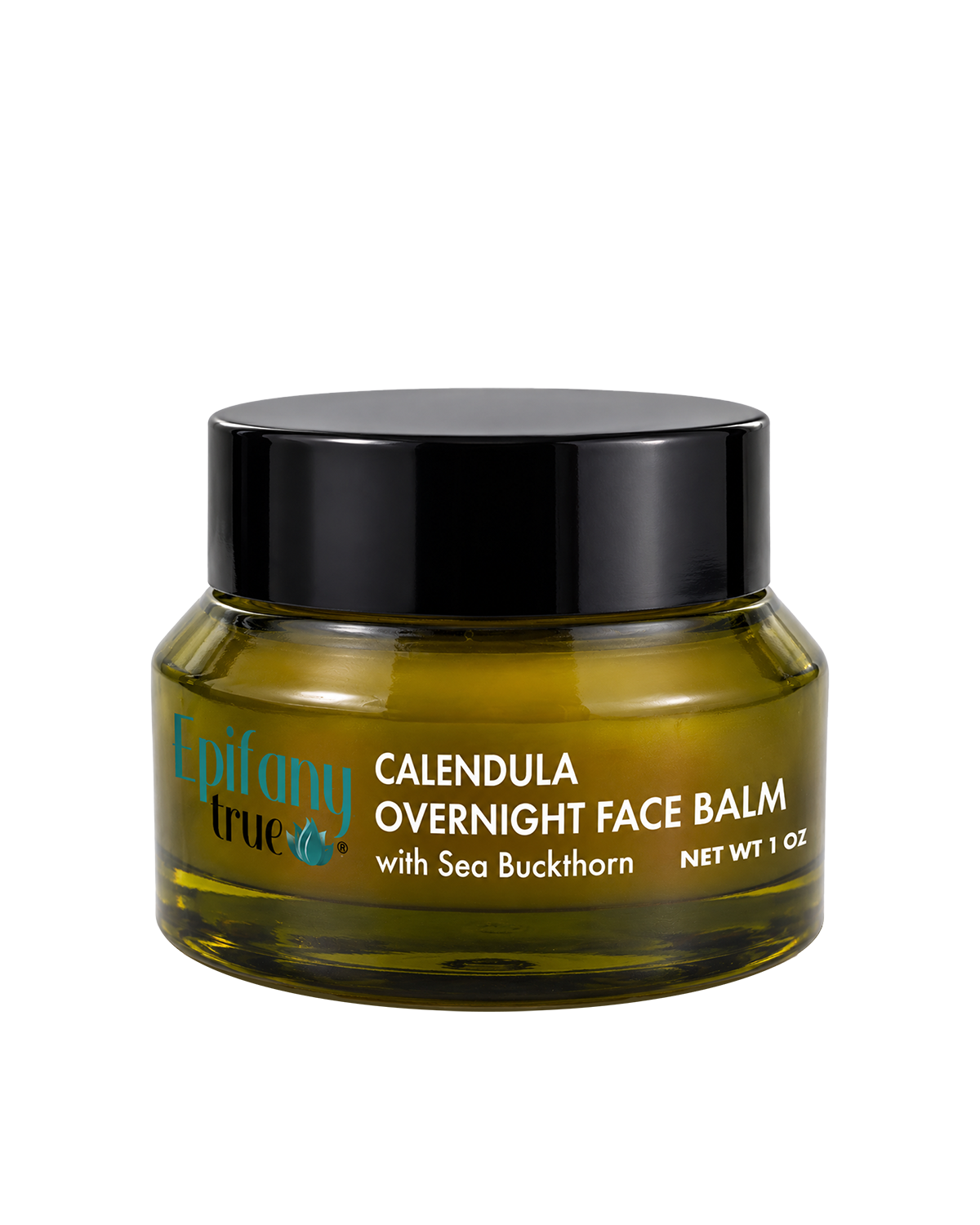
An occlusive layer reduces transepidermal water loss while skin repairs. Options range from petrolatum and dimethicone to plant-based balms and oils. For reactive skin, a fragrance-free, waterless balm is often the most tolerable choice. At Epifany True, the Calendula Overnight Face Balm with Sea Buckthorn uses yellow beeswax to help reduce moisture loss while calendula and plantain leaf comfort dry, depleted-feeling skin, a reasonable final step for skin that reacts to most creams.
Step 5: Give it weeks, not days
Immediate hydration is noticeable within hours. Barrier recovery is slower and varies by person and cause. If skin is raw in the meantime, these gentle steps to calm raw skin quickly help bridge the gap, and this step-by-step barrier repair walkthrough covers the full routine.
Watch out: layering too many new products at once makes it impossible to tell what is helping and what is irritating, introduce one product at a time and give each at least a week.
How to Layer Hyaluronic Acid and Ceramides in Your Routine
Layer thinnest to thickest: hyaluronic acid first on damp skin, ceramide cream next, occlusive balm last. This is the same logic as dressing for cold weather, water layer, then insulation, then a windproof shell.
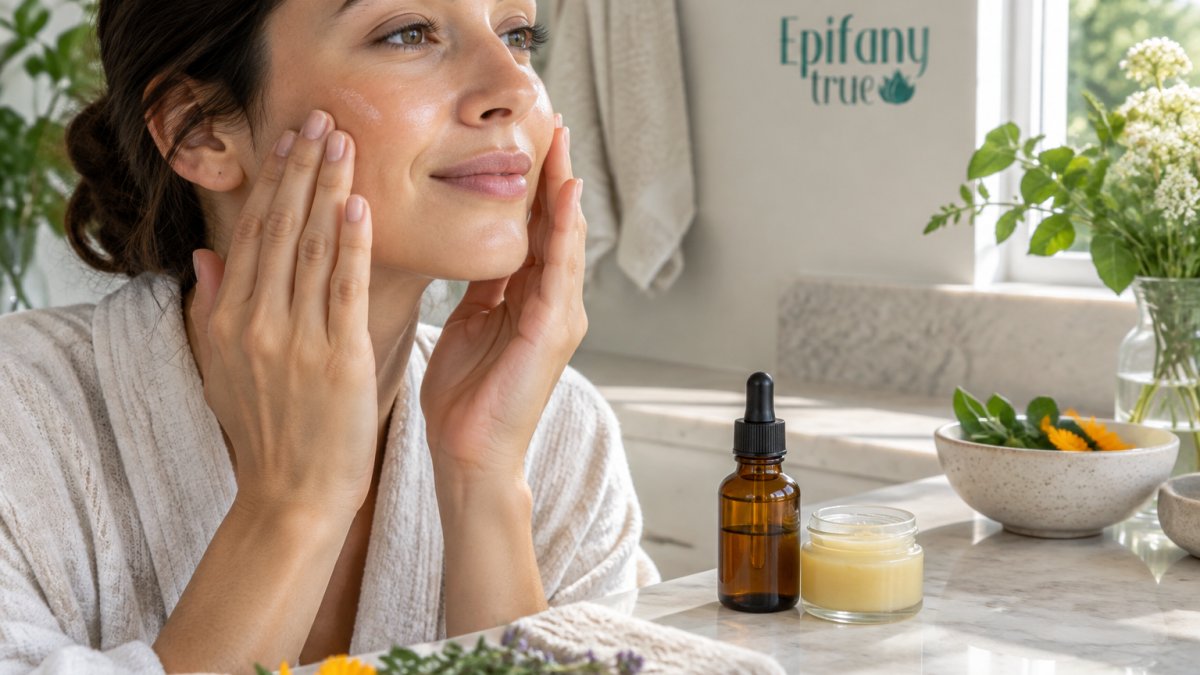
At night, seal the routine with Calendula Overnight Face Balm with Sea Buckthorn. Its yellow beeswax helps reduce moisture loss while calendula and plantain leaf comfort dry, depleted-feeling skin. Fragrance-free and waterless, it suits skin that reacts to everything else.
Ceramides vs Hyaluronic Acid for Oily Skin
Oily skin still needs barrier support, just in lighter textures. Reach for hyaluronic acid in a gel or serum, and choose ceramides in a lotion rather than a heavy cream. Skip thick balms during the day.
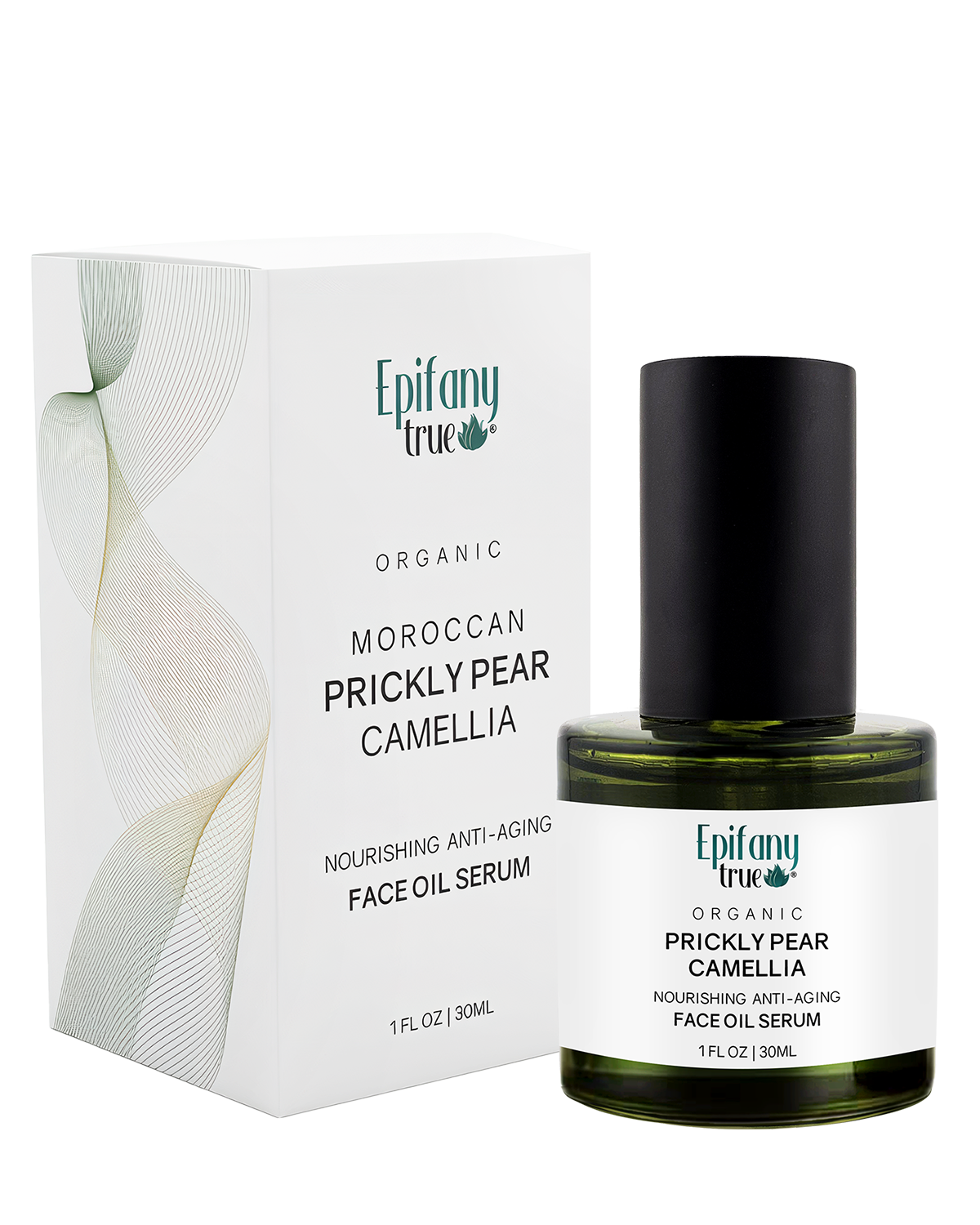
A fast-absorbing face oil can work here too. Organic Moroccan Prickly Pear & Camellia Face Oil Serum is formulated without harsh actives, so it hydrates and supports the barrier without the heaviness oily skin resists.
How Long Does It Take for a Damaged Skin Barrier to Improve
Barrier recovery timelines vary with the cause, your skin type, and how strictly you avoid irritants.
While you wait, keep the routine boring. Fewer products, no exfoliation, and steady moisture. If skin feels raw in the meantime, these gentle steps to calm raw skin quickly help bridge the gap.
Building a Gentle Barrier-Repair Routine with Epifany True
Epifany True builds plant-based formulas for skin that cannot tolerate much, including skin stressed by medical treatment. The catalog keeps the ingredient lists short and the fragrances out, so a barrier routine stays simple.
A workable starter set: a ceramide or botanical moisturizer, a hydrating layer, and one sealing product. The Skin Soothing Solutions collection gathers the salves and oils that fit that final step, from fragrance-free calendula salve to comfrey and calendula oil.
Barrier repair rewards patience more than product count. If your skin is reactive, dry, or recovering from treatment, Epifany True offers fragrance-free, botanical formulas like the Calendula Soothing Salve, the Calendula Overnight Face Balm, and the Prickly Pear & Camellia Face Oil Serum, each built to comfort compromised skin without harsh actives. Get started with Epifany True and give your barrier the gentle, steady support it needs to recover.
Frequently Asked Questions
Which is better for barrier repair, ceramides or hyaluronic acid?
They do different jobs, so the honest answer is that ceramides are the closer match for rebuilding a damaged barrier. Ceramides are lipids that sit in the stratum corneum and help restore the barrier's structure, which is why they are linked to reduced transepidermal water loss. Hyaluronic acid attracts and holds water to support hydration. Most people get the best result using both: hyaluronic acid for water content, ceramides to support the barrier.
Can you use ceramides and hyaluronic acid together?
Yes, and layering them is the standard approach. Apply a hyaluronic acid product to damp skin first so it has water to attract, then follow with a ceramide moisturizer or a botanical oil to seal in moisture. If you use a waterless balm or facial oil instead of a ceramide cream, apply it last as the occlusive step. The order matters less than the pairing: water-attracting ingredients underneath, moisture-sealing ingredients on top.
Do ceramides actually rebuild the skin barrier?
Ceramides are one of the main lipids in the stratum corneum, so ceramide-containing products help restore barrier lipids and reduce water loss. Formulation details matter, so treat ceramides as supportive of barrier function rather than a guaranteed cure.
How long does it take for a damaged skin barrier to improve?
There is no single timeline, and the research does not give one. Some hydration effects can be noticed quickly. Structural recovery from ongoing irritation, over-exfoliation or treatment-related dryness usually takes longer and depends on how consistently you avoid the triggers. Keep your routine simple, skip harsh actives, and seal in moisture nightly. If your skin is reacting to medical treatment, ask your healthcare team before adding new products.

Previous article


